



[The picture is from Legal & General,the copyright belongs to the original author]
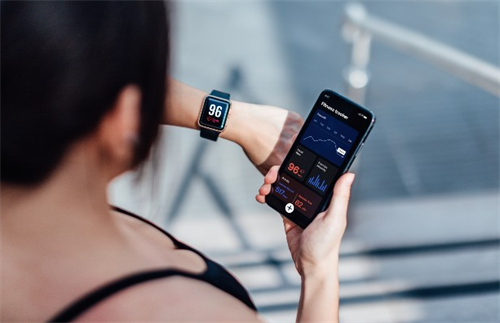
Now, smartwatches are very common. For every four wrist devices sold worldwide, three can check your health. They can track your heart rate, sleep, and blood oxygen. Before, a US insurance company named John Hancock said they would use smartwatch data for life insurance prices. This caused a big reaction.
Since 2018, John Hancock has told customers to wear smart devices. If you hit exercise goals, you can pay less for insurance. This sounds good. But a Harvard Medical School study found that sick people had to pay up to 40% more. This breaks the Americans with Disabilities Act. It is a type of health bias. Also, an Australian insurer named HCF broke a privacy rule. They did not tell users clearly how they would use the data.
The big-data insurance model uses lots of old and new data to check risk and set prices. By looking at this data, insurers can guess a customer's risk level better. They can set prices that are more fair. So, data from wearable devices helps insurers know a customer's health and habits. This changes the price.
Some advantages of wearable devices in the insurance industry:
Wearable devices have several types. Health monitors check your heart rate and blood sugar. They watch your key health data all the time. They help you know your health. Exercise trackers are like smart bands and smartwatches. They record your steps and run distance. They can even help plan your exercise. Information alert devices are like smart glasses and wireless earbuds. They tell you about phone messages and calls. You do not need to take out your phone.1 Smart home controllers are like smart speakers and plugs. You can control your lights and machines from far away. This is very handy.
Wearable devices are more useful in insurance now. They help insurers check risk and handle customers. They gather live health data like your heart rate, daily steps, and sleep. With this data, insurers can judge your health better. They can set more fair prices. They can also spend less on underwriting. Insurers now use new health signs, like waist size compared to height. They do not use only old BMI and cholesterol numbers. This makes health checks more correct.
Through these devices, insurers can see possible health risks early. They can give you personal health tips. This can help you stop worse health issues. It can save money on doctor bills. It can also make your life better. Many insurers run health reward plans. They push people to live in a healthy way. Companies like Cigna, UnitedHealth, and John Hancock do this. Many customers have gained from it.
There are also some winning stories of wearable devices in insurance. Oscar Health in the US gave free Apple Watches to users. They gave rewards based on health data. This made users much more loyal. It raised the renewal rate a lot. It created a great data cycle. Lifenet in Japan used heart test data to find a "heart age". They added social parts. This made their insurance products spread fast through user shares. It got quick growth. Allianz in Germany made a new way to guard company workers' health. They gave workers heart-monitoring badges to stop heart issues. This cut the sudden death rate. It raised insurance profits. It was good for both the company and the insurance field.

[The picture is from Business Standard,the copyright belongs to the original author]
So, how do wearable devices change insurance prices exactly?
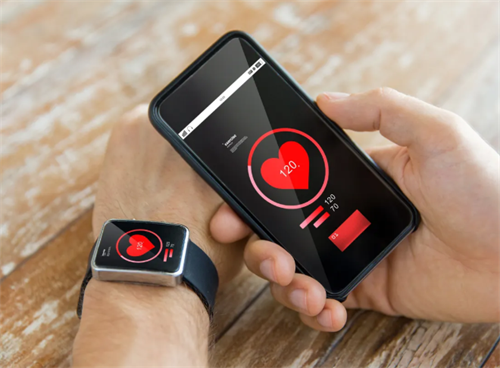
Insurers can check a customer's risk by getting data from wearable devices. Many wearable devices can watch your health. They check your heart rate and sleep. For example, a heart rate that is always high can mean heart disease risk. The insurer may see you as a high-risk customer. They may raise your price. If your heart rate is normal, they will think you are healthy. Your price will be lower.
Besides health checks, many wearable devices can record your exercise paths and steps with GPS. This data helps insurers know your exercise habits and lifestyle. If you move very little and sit all day, you may have obesity risk or other health issues. The insurer may see you as a high-risk customer. They may raise the price. If you exercise enough and live healthy, they will think your risk is low. Your price will go down.
Wearable devices make insurance claims work better. They collect and send patient health data right away. Insurance companies check this data from far away. The claims process gets faster. Big data and smart computers help insurers. They check if claims are real more quickly. They use less human checking. This makes fewer mistakes. Insurance providers make use of the information gathered by these devices.They make their product designs better. The products fit customer needs better. The products become more competitive.
Some wearable devices can link to social apps like WeChat and Weibo. Insurers can study your actions and chats on these apps. They can know your friend circle and relationships better. If you often post about drinking online, you may have alcoholism risk. The insurer may see you as a high-risk customer. They may raise your price. If your social circle is healthy and good, your price may be lower.
[The picture is from Healthcare Dive,the copyright belongs to the original author]
Now, let us discuss the bad points of wearable devices in health insurance.
First, privacy is a big issue. Wearable devices record your heart rate, sleep, and exercise every day. This is all very private health information. If this data is not safe, it can leak. Other people might look at it. Some outside groups might use it wrong. It is very worrying.
Second, bias is a risk. If insurers set prices using health numbers from these devices, problems can happen. For example, people with long-term sickness or no time for exercise may see a big price jump. It is not fair. Many of these reasons are not their fault. They must pay more. It is like a type of bias.
Punishment is also possible. Many insurers give rewards, like price cuts for meeting exercise aims. But what if you miss the health goals? No rule says they cannot punish you. They may just raise your price. They may even refuse to insure you. It is not logical and is very wrong.
Last, the devices are not always perfect. Wearable devices have more functions now, but they are not flawless. Sometimes the data they get is wrong. The device may break and give false health news. If insurers make choices with this bad data, like changing prices or denying claims, we customers will have big trouble.
As wearable tech gets better, it will matter more in health insurance. On one side, it gives great chances for both insurers and us customers. It can watch our health better and cut insurance costs. For many people, these personal plans could make health insurance more active. It would focus on daily health care, not just paying claims later.But many problems exist, like keeping privacy safe and making sure price changes are fair. If wearable tech and health insurance can join well depends on how insurers push and run this mix.
Source:
[1] Stepofweb: “Is it necessary to remove chargers during airport security checks?”
Reference:
[1] Shapedthoughts: “Engagement Wearables in Insurance: A New Era of Health Data and Customer”
[2] Wottonkearney: “Wearables and Health Tracking – An Insurer’s Dream or Nightmare?”
[3] Thejournalofmhealth: “Is Wearable Tech in Health Insurance a Good Idea?”
Related Articles
Why do you gotta take insurance seriously when renting a car in the US?
Explore More >>

Why are high-end medical insurance plans so expensive? Should I buy one?
Explore More >>
What situations would be excluded from the coverage of the accident insurance when one gets injured during exercise?
Explore More >>
What kind of insurance should people aged 25 to 35, who are highly-intelligent and mentally-demanding workers, purchase?
Explore More >>