



[The picture is from ember-service-worker,the copyright belongs to the original author]
Have you ever thought about how insurance can use the Internet of Things (IoT) to improve? IoT technology is already changing many parts of insurance, especially car and home insurance.
Look at car insurance. Smart sensors in a car can watch your driving live. They track your speed, your acceleration, and your braking. This data helps insurance companies see risk more accurately. Then they can set more personal insurance prices.
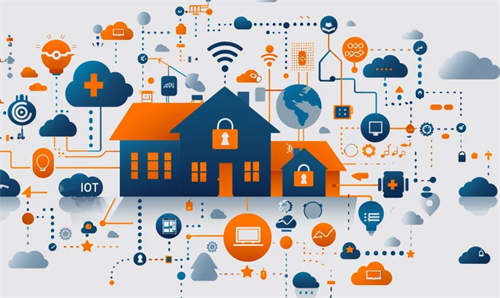
For home insurance, smart devices like smoke detectors and leak sensors watch for dangers. They look for fires or water leaks. These gadgets can send a warning directly to the insurance company. This lets the company act quickly to keep losses small.
So, how does IoT make insurance better?
More accurate risk assessment
Old risk assessment uses customer-provided data. This data can be slow and can be wrong. But IoT tech gathers data live. This makes risk assessment more exact. For example, in farm insurance, IoT sensors check soil water, temperature, and light levels. Using weather data too, companies see how bad weather hurts crops. Then they can give farmers more suitable insurance plans.
Real-time risk monitoring and early warning
IoT devices can always watch insured items. They can find dangers early. In ship insurance, sensors on a boat get live data. They track its location, speed, and how it is running. If something breaks or the weather turns bad, the insurance company can step in early. They can guide the owner and start a claim fast if needed. This tech also works for factory machine insurance and health insurance. It watches equipment or our health to handle possible risks quickly.
Personalized insurance product customization
With IoT tech, insurance firms can study customer behavior and needs. Then they can make personal insurance plans. For active people, they can offer better health insurance. For frequent business travelers, they can make special trip insurance. This custom service makes customers happier. It also helps companies compete better.
Faster claims processing
IoT tech also makes claims handling quicker. Usually, old claims need customers to show proof. Companies also need to send staff to the site. But IoT devices record everything at an accident spot automatically. They take pictures, videos, and data, and send it all to the company live. This cuts down the claim time. It also reduces the cost of site visits. Automatic data collection speeds up claims. It also lowers the chance of human error and fraud.
[The picture is from Linkedin,the copyright belongs to the original author]
Smart and dynamic pricing
IoT helps companies judge risk better. It also is key for setting prices. Using live data, they can change prices over time. For example, car insurance firms can adjust your cost based on your driving. They look at hard braking or high speed. Safe drivers can get lower prices. As more IoT data is collected, companies can set more exact prices for each person. This feels more personal and reduces risk assessment errors.
Automated claims and fraud detection
IoT can make the claim process more automatic. It also helps find and stop insurance fraud. In a car crash, vehicle sensors record the details. They note the time, place, speed, and impact angle. Then they send this data to the company on their own. This makes claims faster. It also reduces mistakes or delays from manual checks.
IoT data can also stop fraud. By watching data live, companies can spot strange things. For example, the car damage might not match the accident story. Or the owner's report might clash with the sensor data. This helps lower fake claims.
Data privacy and security issues
Internet of Things technology is used widely now. This means insurance companies can gather a lot of customer data. This data includes basic customer details. It also includes private things like personal life, health, and driving habits. These data help companies check risk more accurately. But they also bring problems. There is a risk of privacy leaks.
For example, car systems can collect a lot of data about how the vehicle runs. But they might also collect customer personal information without meaning to. This includes travel history and call records. Other companies could use this information for their own ads. If this data is used wrongly, it threatens customer privacy. It could also make the public worry a lot about their privacy being invaded.

[The picture is from binariks,the copyright belongs to the original author]
Here are some real-life cases of IoT in the insurance business:
Usage-based auto insurance (UBI)
Did you know some car insurance prices are based on how you drive? It is not just about your age. If your car has an IoT device, it watches your speed, acceleration, and braking. Insurance companies then adjust your price using this data. Progressive's "Snapshot" program gives safe drivers lower prices.
Telematics in commercial auto insurance
It is not just for personal cars. Fleet management uses IoT tech to lower insurance costs. Big companies with many vehicles install IoT devices. These watch each vehicle's condition and the drivers' behavior live. If the fleet performs well and drivers are safe, the insurance company can offer a discount. This optimizes the insurance cost.
Automated claims process
IoT makes the claim process very fast and automatic. After an accident, sensors in the car or home send data to the company automatically. The company can then check the accident facts immediately. This saves a lot of time on manual checks. Lemonade, for example, uses AI and IoT to settle claims in seconds. It can handle simple claims on its own.
Personalized health insurance plans
IoT is also big in health insurance. Devices like smartwatches and fitness bands collect your health data live. This data helps companies understand your health. Then they can create personal plans based on your lifestyle. John Hancock, for instance, uses data from Fitbit and Apple Watch. They give discounts to customers with good health habits and regular exercise. This encourages people to live healthily.
Smart home devices in property insurance
Smart home gadgets are now part of property insurance. Smart smoke alarms, leak sensors, and security cameras watch a home's safety. If there is a fire risk, a leak, or a theft, the devices alert you and the company. Then you can act to prevent bigger losses. State Farm, for example, partners with ADT. They give discounts to customers who install IoT devices to lower risks.
IoT in agricultural insurance
In farming, IoT is used more and more. Farmers use IoT sensors to watch soil water and weather changes. Insurance companies can then offer more exact coverage. When harsh weather like drought or flood is detected, the company gets an alert. They can start the payout process right away. Swiss Re, for example, offers climate-based insurance using IoT sensors. This helps farmers deal with natural disasters.
IoT in industrial and construction risk management
IoT is also useful at construction sites and in factories. Workers wear smart IoT devices. These watch their safety, tracking heart rate and tiredness. Sensors in the work area check air quality and noise levels. This ensures a safe workplace and helps prevent accidents. AXA, for example, works with Triax. They provide IoT wearables for construction workers to reduce injuries.
In short, data-powered IoT has changed insurance. It has changed risk checks, product design, claim services, and risk control. Insurance companies need to keep up with new technology. They must handle data carefully. They should also think of new ways to use it. This helps them stay strong as IoT grows. For customers and businesses, IoT insurance means fairer prices. It means better service. It also means finding risks early. This is good for all of us.
Reference:
[1] binariks: “IoT in Insurance: Top 7 Use Cases for Smarter Underwriting
[2] AlMultiple: “Top 6 Insurance IoT Use Cases”
[3] EmberServiceWorker: “The role of IoT (Internet of Things) in insurance”
Related Articles
Why don't I recommend you to buy return-of-premium insurance?
Explore More >>

Why are high-end medical insurance plans so expensive? Should I buy one?
Explore More >>
What Insurance Should International Students Buy?
Explore More >>
Is being single and living alone associated with an increase in insurance premiums? What types of insurance are needed?
Explore More >>